
Shaping the Future of Construction
Our Development and Underground Utilities Service will transform raw land into a build-ready property.
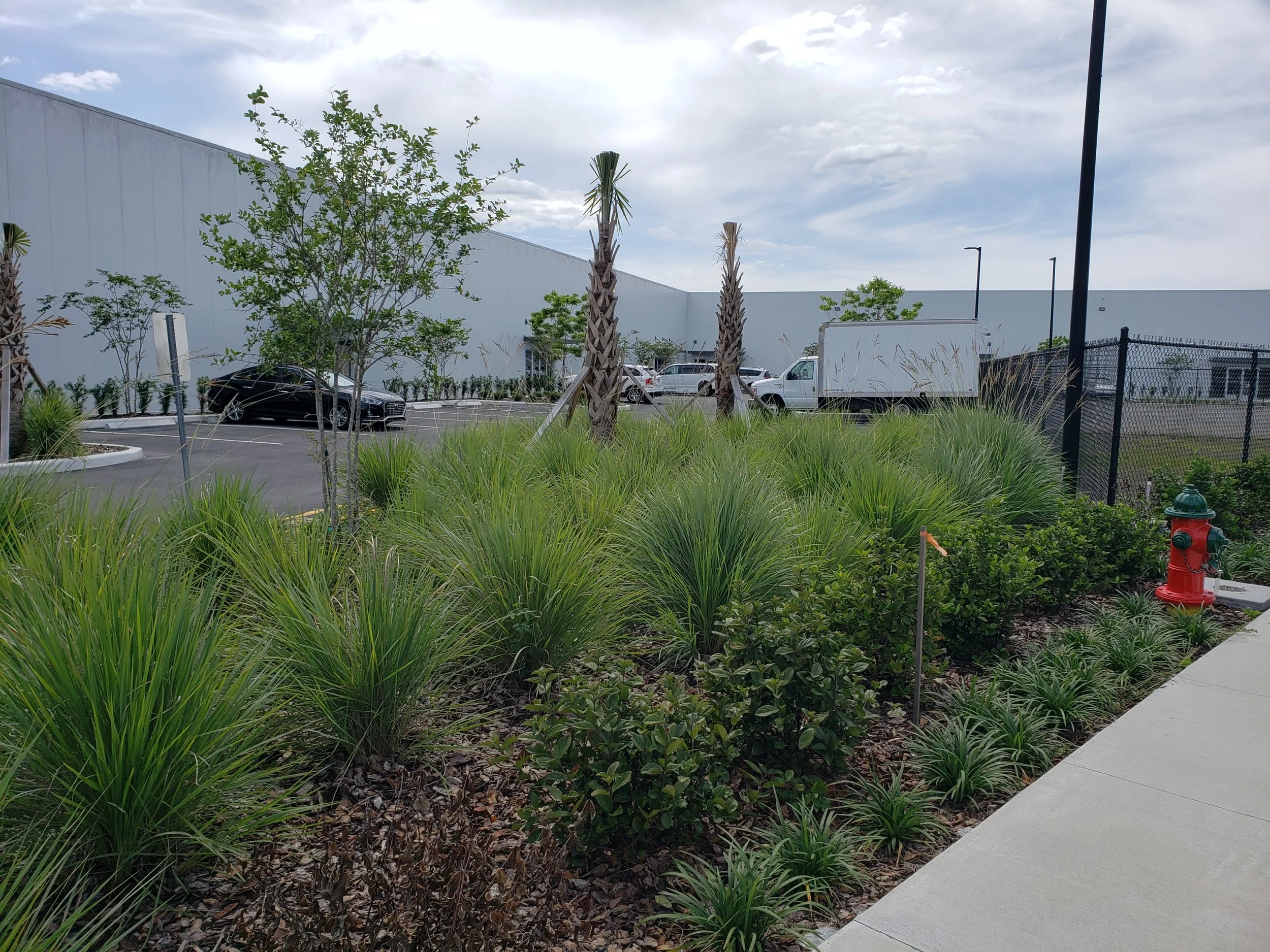
Site Development
Land evaluation and planning: Soil analysis, topographic surveys, grading plans, drainage design, and permitting to ensure a buildable, compliant site.
Earthwork and grading: Precise cut-and-fill operations, slope stabilization, erosion control, and compaction to achieve required elevations and long-term stability.
Stormwater management: Design and installation of detention/retention systems, swales, storm sewers, and inlet/outlet structures that meet local regulations and protect downstream resources.
Roadways, curbs, and pavements: Construction of access roads, driveways, parking areas, curbs, sidewalks, and ADA-compliant features using durable materials and proper subbase preparation.
Site amenities and finishing: Curbing, retaining walls, site lighting bases, landscaping coordination, and final surface treatments for a finished, market-ready property.
Underground Utilities
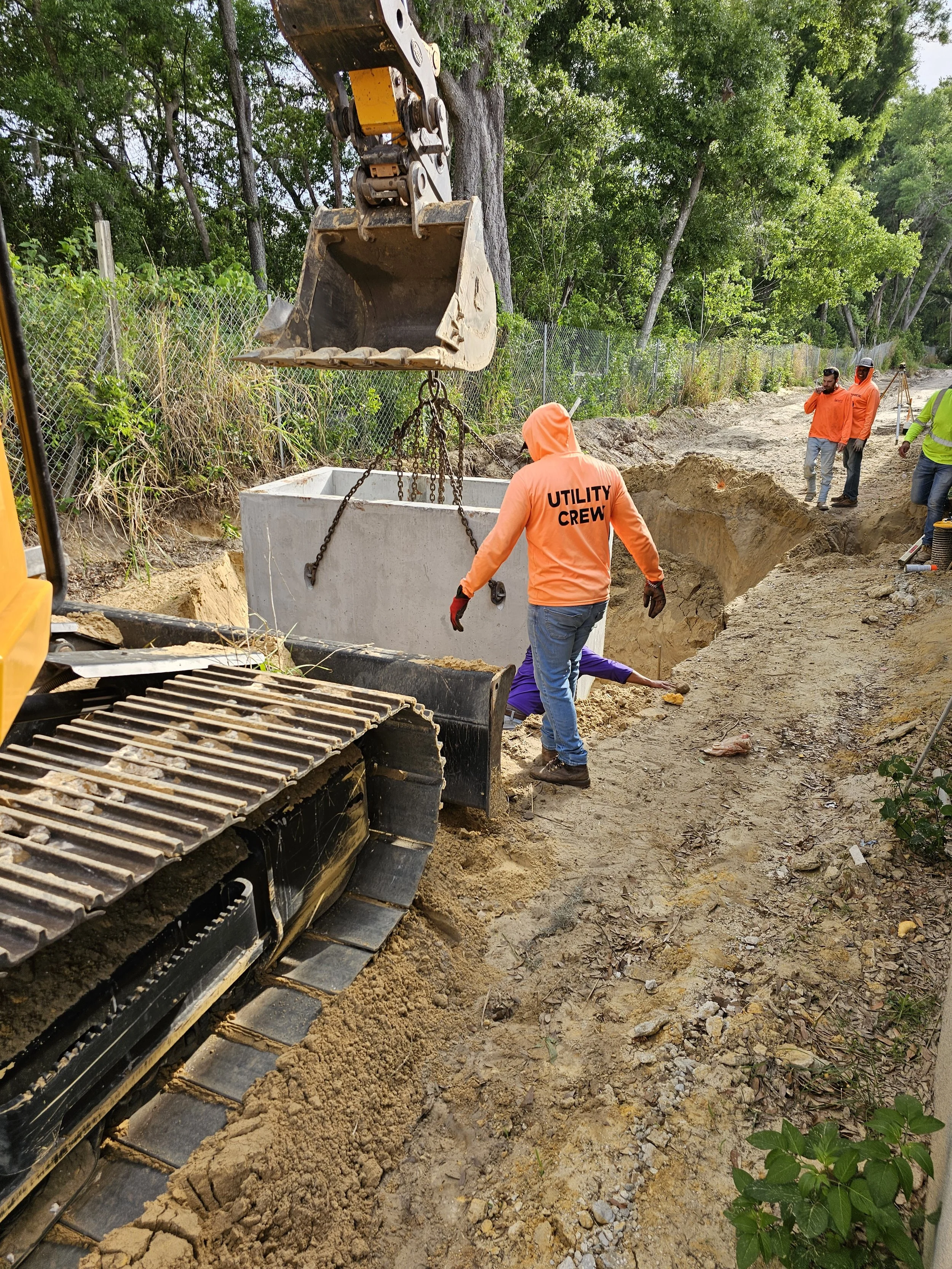
Water distribution systems: Trenching, installation of mains, service laterals, valves, hydrants, pressure testing, disinfection, and coordination with municipal water authorities.
Sanitary sewer systems: Gravity sewers, force mains, manholes, lateral connections, testing, and tie-ins that comply with health and environmental standards.
Storm drainage utilities: Underground storm piping, inlets, culverts, catch basins, detention or infiltration systems, and connections to overall stormwater infrastructure.
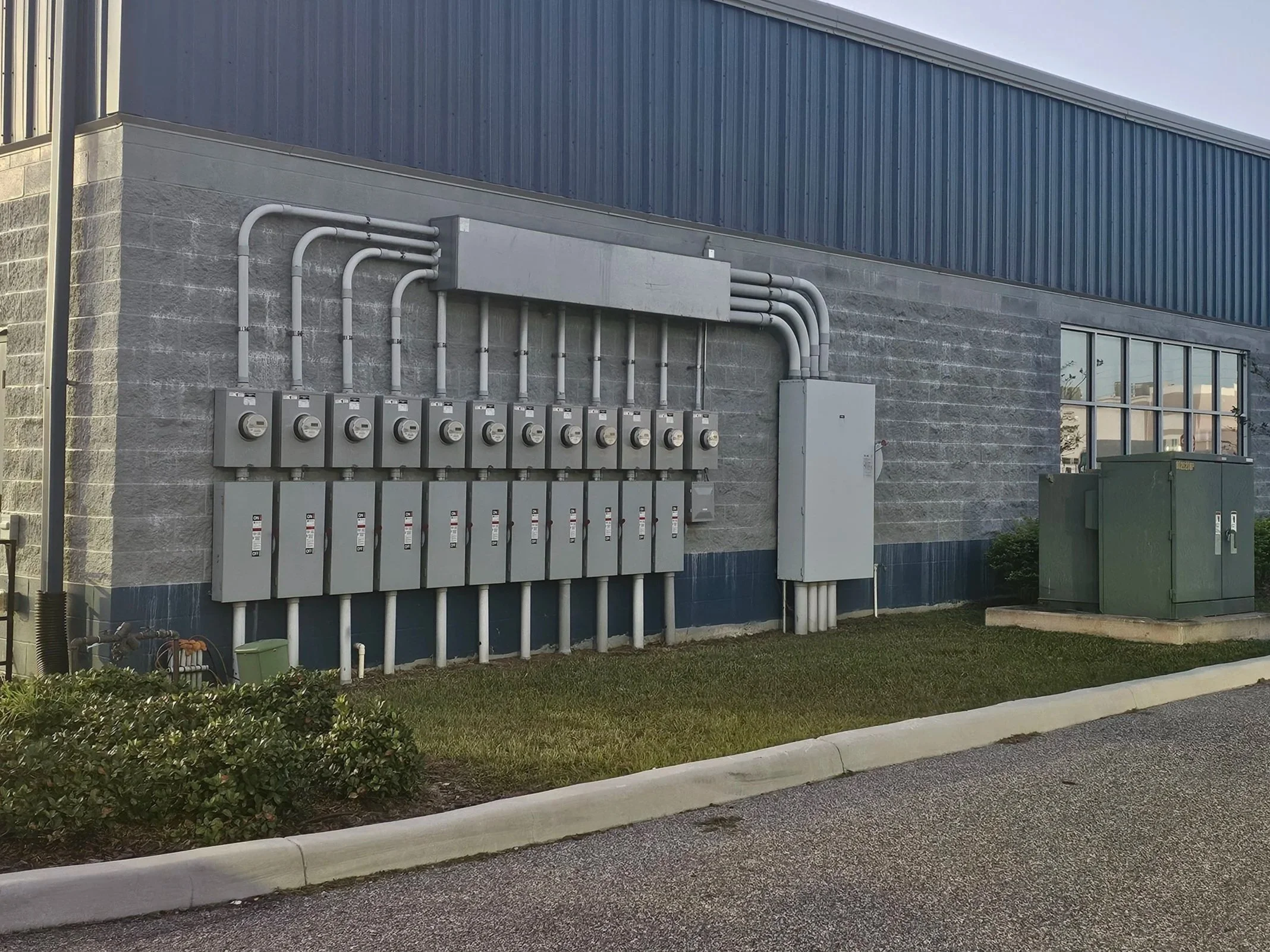
Underground power and communications: Conduit installation, vaults, handholes, and coordination with utility providers for electrical, fiber, and telecommunications systems.
Trenchless and excavation methods: Horizontal directional drilling, microtunneling, and conventional open-cut construction to minimize surface disruption where required.
Testing and quality assurance: Pressure testing, video inspection, backfill compaction testing, and as-built documentation to ensure long-term performance and regulatory compliance.
Why choose us
Integrated approach: We manage site development and underground utilities together for efficient sequencing, reduced rework, and cost control.
Regulatory expertise: Permitting, inspections, and utility coordination handled proactively to keep projects on schedule.
Safety and quality: OSHA-compliant practices, experienced crews, and rigorous QA/QC processes.
Modern equipment and techniques: Advanced grading equipment, GPS machine control, and trenchless methods to increase accuracy and minimize impact.
We deliver site development and underground utility solutions tailored to commercial, industrial, residential, and public-sector projects — from initial site prep through final utility hookups and documentation.
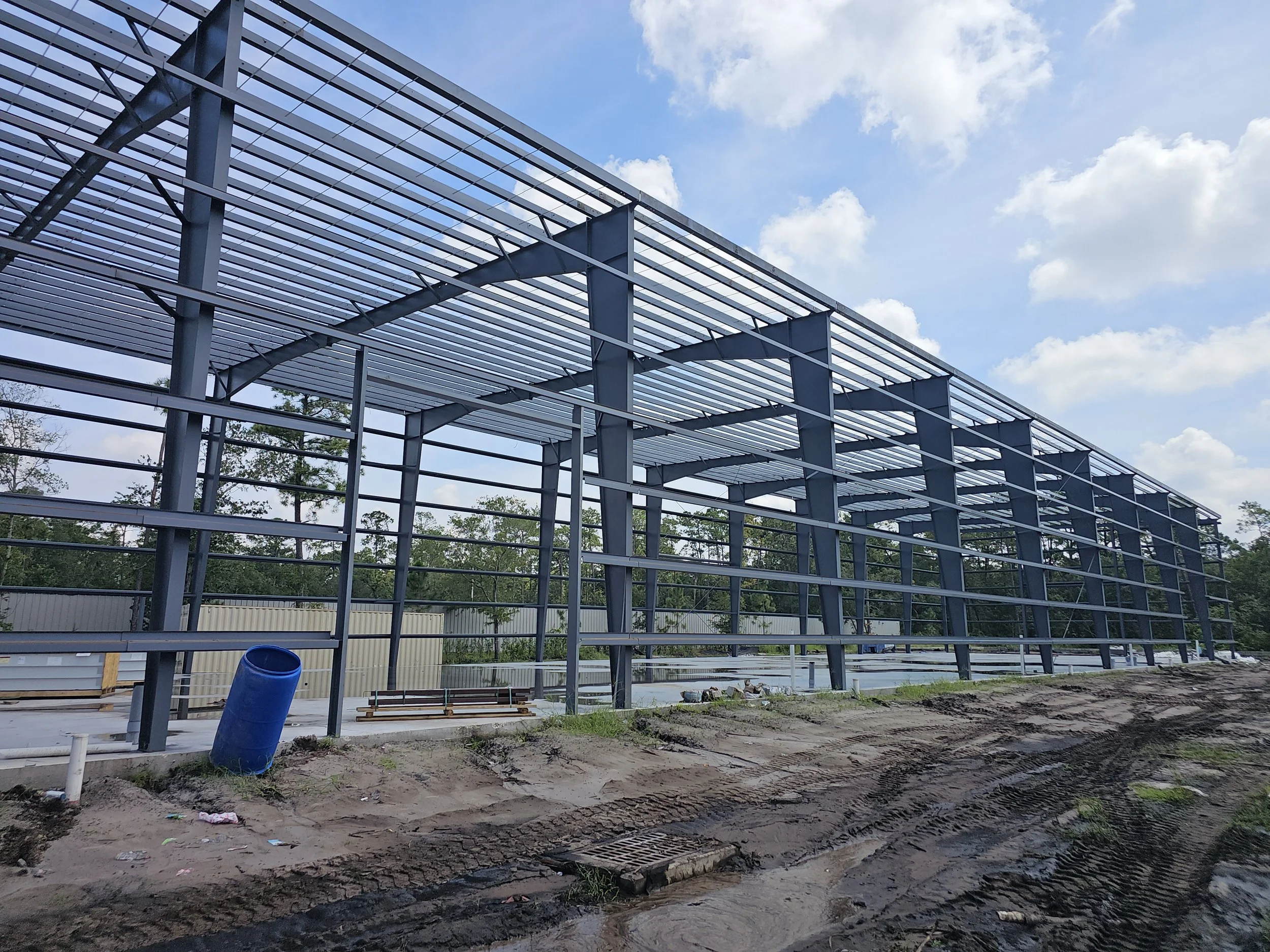
Steel erectors are the specialized tradespeople and crews responsible for assembling the structural steel framework of buildings, bridges, and other large-scale construction projects. Their work turns engineered designs and prefabricated steel components into the load-bearing skeleton that defines a structure’s shape, strength, and stability.
What steel erectors do
Read and interpret structural blueprints and erection drawings to understand sequencing, alignment, and connection details.
Receive, inspect, and stage prefabricated steel members (beams, columns, trusses, girders, joists, bracing) and hardware on-site.
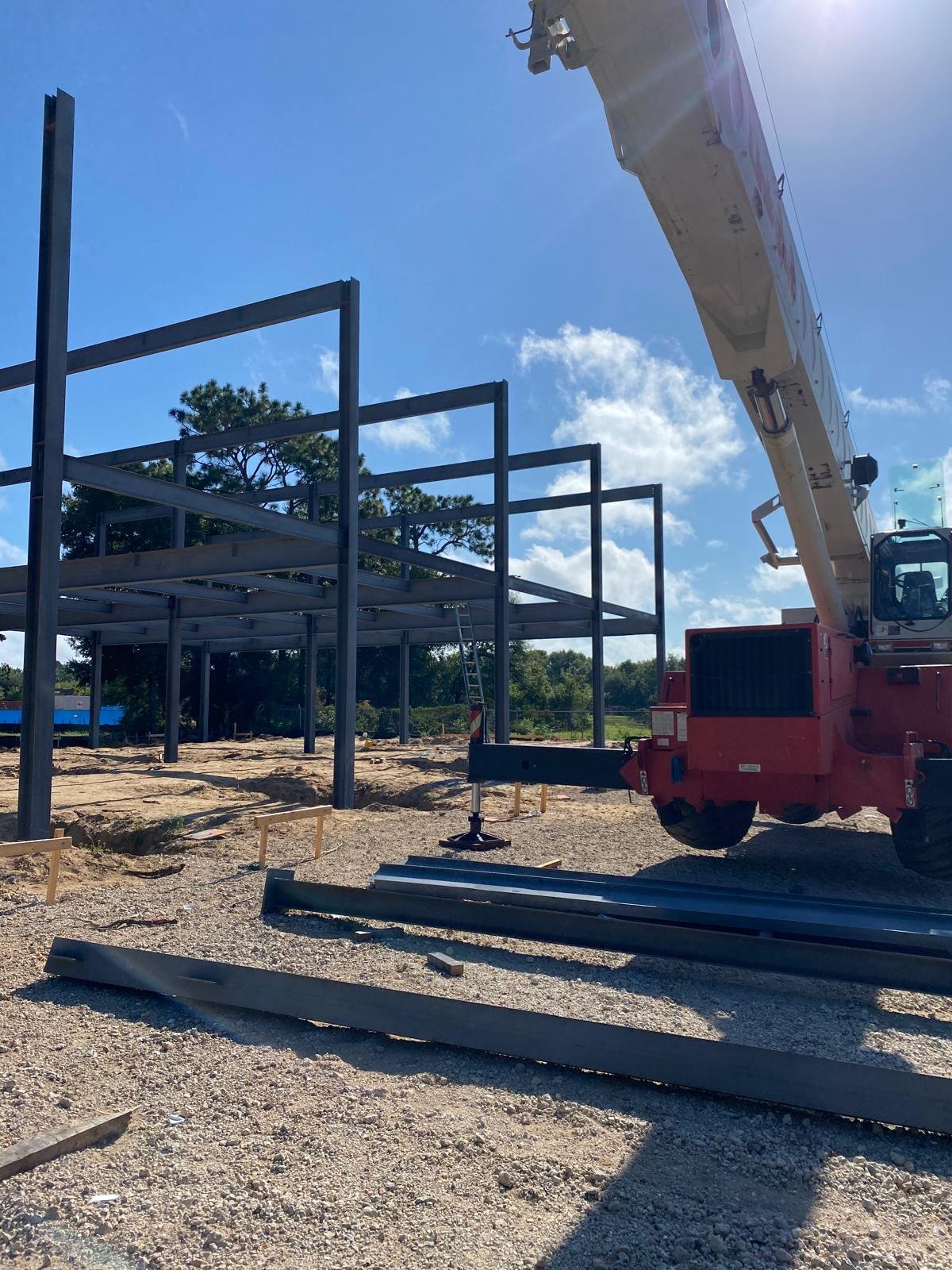
Use cranes and rigging equipment to lift, position, and hold steel members in place.
Temporarily brace and align members, then bolt or weld connections per design specifications and code requirements.
Install secondary steel elements such as deck supports, stair framing, catwalks, and handrails.
Coordinate with ironworkers, welders, crane operators, general contractors, and inspectors for safe, accurate erection.
Execute field modifications when drawings require adaptation or when on-site conditions differ from plans.
Implement rigorous safety and fall-protection measures while working at height.
Key skills and qualifications
Proficiency reading blueprints, erection drawings, and connection schedules.
Knowledge of structural steel types, sizes, and grade markings.
Competence with rigging gear, slings, chokers, shackles, spreader bars, and taglines.
Ability to perform bolting and welding per spec (often requiring certified welders for final welds).
Strong spatial reasoning, measuring and leveling skills, and use of plumb lines and lasers for alignment.
Understanding of temporary bracing and sequencing to maintain structural stability during erection.
Physical strength, balance, and comfort working at height in varying weather conditions.
OSHA and industry-standard safety training, including fall protection, rigging competency, and crane signaling.
Typical equipment and tools
Tower and mobile cranes for heavy lifts.
Rigging hardware (slings, chokers, shackles, hooks).
Bolt-installation tools: impact wrenches, torque wrenches, hydraulic and pneumatic tools.
Welding equipment and cutting torches for field welding and fit-up.
Measuring tools: tape measures, plumb bobs, levels, laser alignment systems.
Temporary bracing, shoring, and scaffold systems.
Personal protective equipment: harnesses, lanyards, hard hats, gloves, and steel-toe boots.
Project phases and responsibilities
Pre-construction: review shop drawings, coordinate erection plan, plan lifts and crane placements, identify material delivery sequencing.
Initial erection: set primary columns and girders to establish the skeletal grid, install temporary bracing to ensure stability.
Intermediate erection: place beams, joists, and secondary framing; install floor deck and bracing as required.
Final phase: complete connections, field welding, install decking, stairs, and guardrails; remove temporary bracing once structure is self-supporting.
Closeout: final inspections, as-built documentation, and coordination with follow-on trades.
Safety and quality control
Fall protection is central: anchor points, harness systems, guardrails, and safety nets as applicable.
Rigging and lift plans reduce risk of dropped loads and collisions; certified crane operators and signal persons are required.
Torque and bolt-tension inspections, nondestructive testing of welds, and dimensional verification ensure structural integrity.
Sequencing and temporary bracing plans prevent instability during partial construction stages.
Why steel erectors matter. Steel erectors convert engineered designs into usable, safe structures. Their expertise affects project schedule, overall safety, cost efficiency, and the long-term performance of the building. Skilled steel erection reduces rework, expedites the transition to other trades, and ensures the structure meets code and design intent.
For contractors and owners, choosing experienced steel erectors with thorough planning, strong safety records, and the right equipment is critical to delivering complex projects on time and within budget.
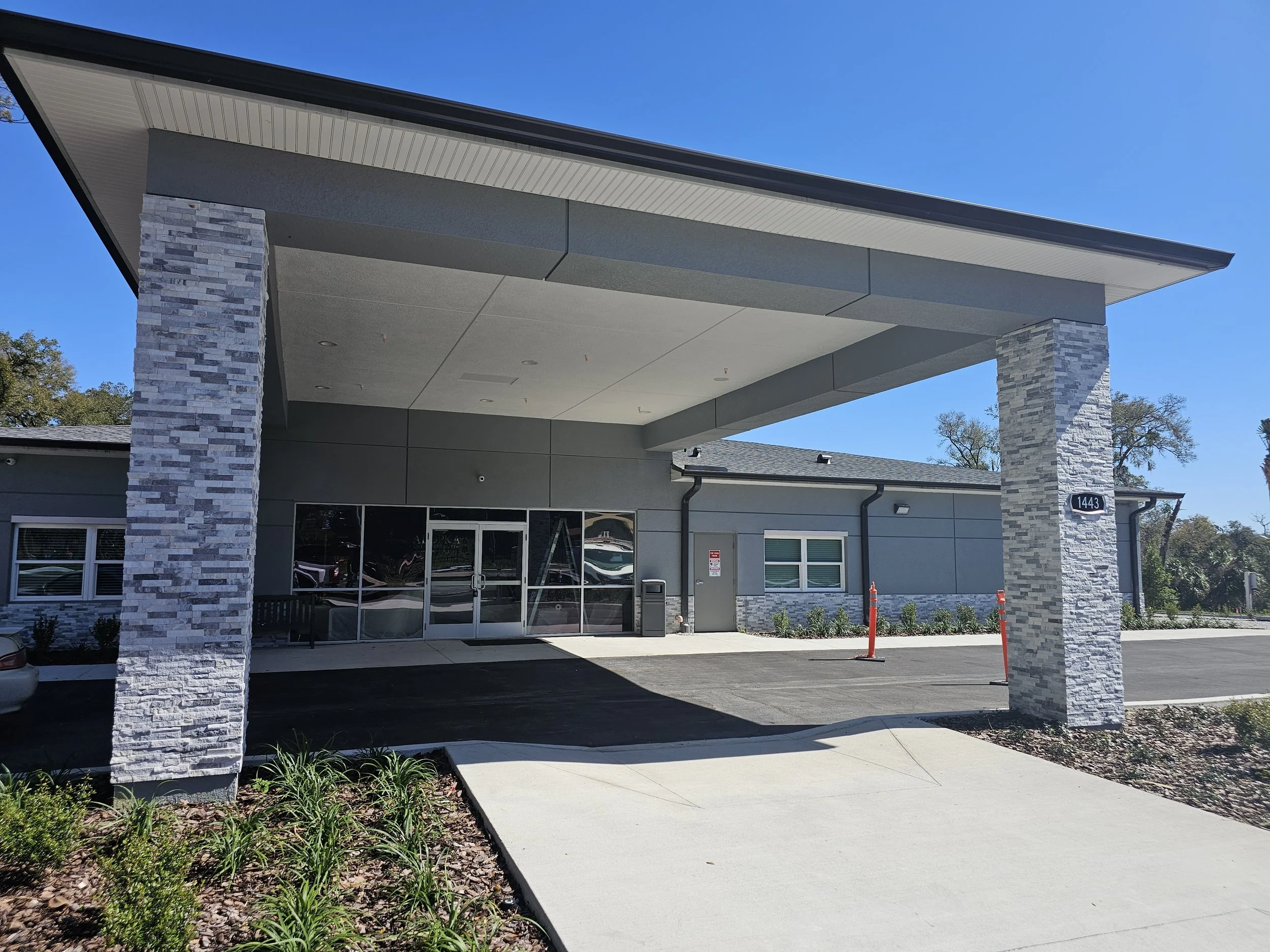
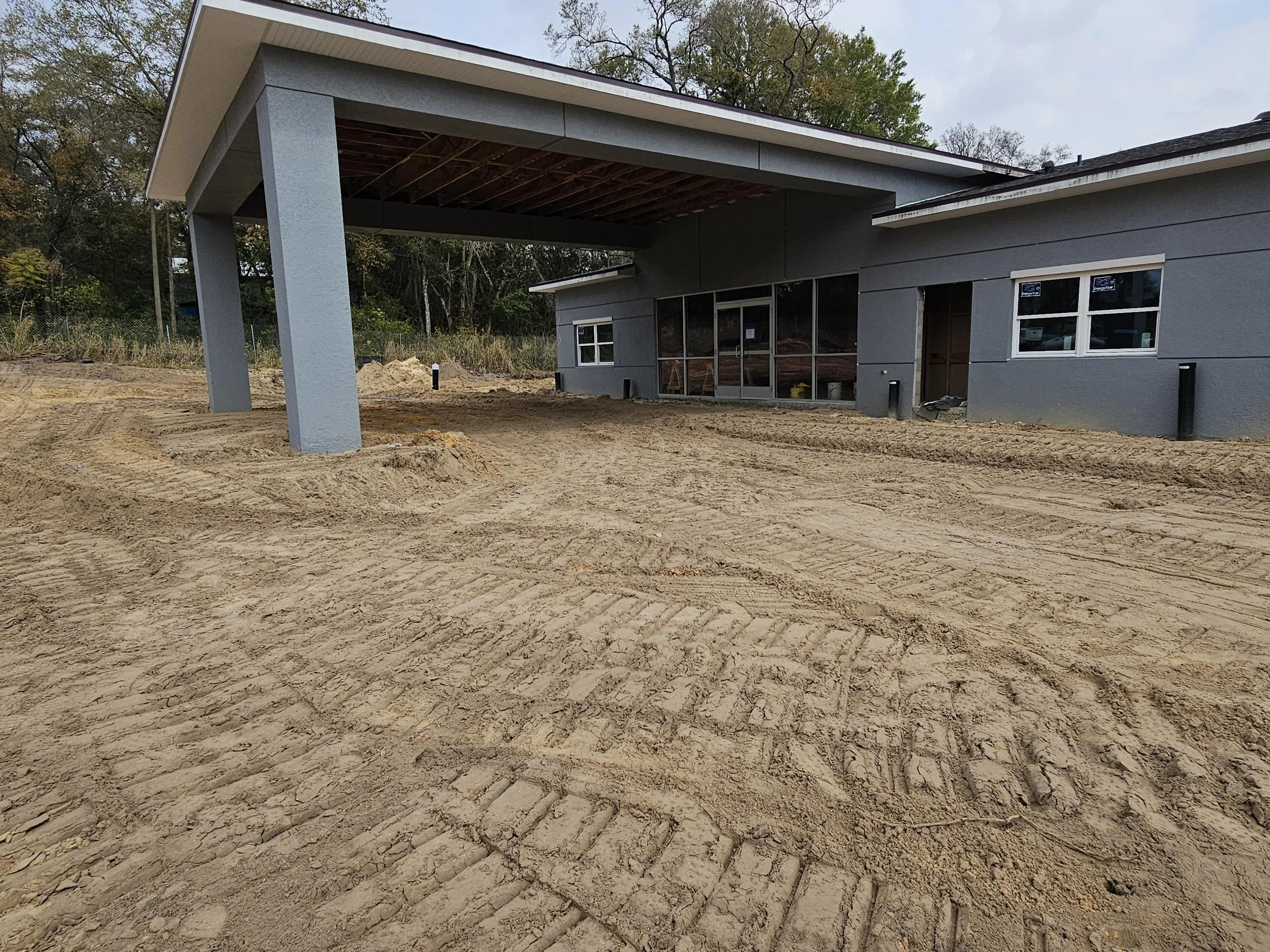
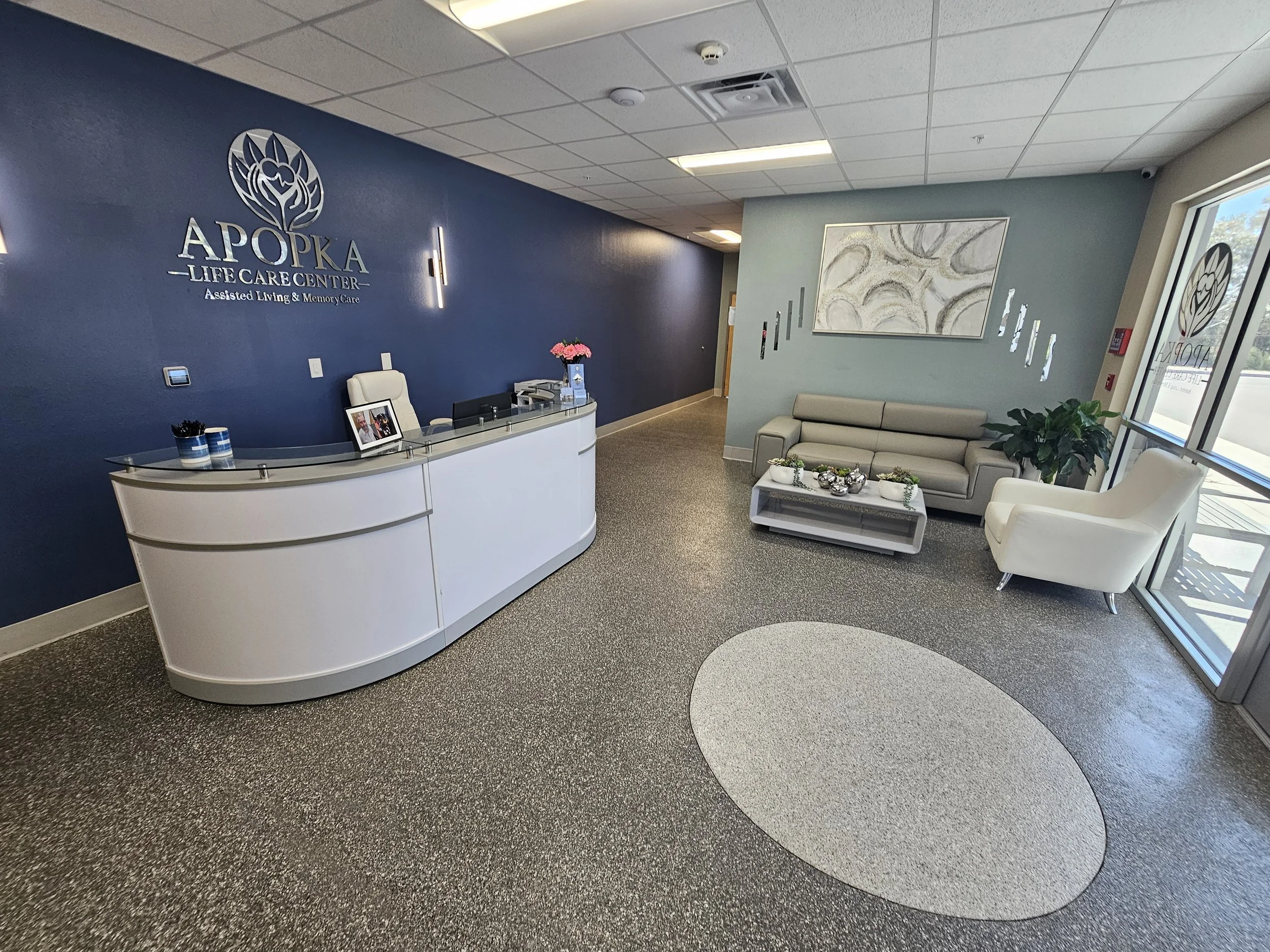
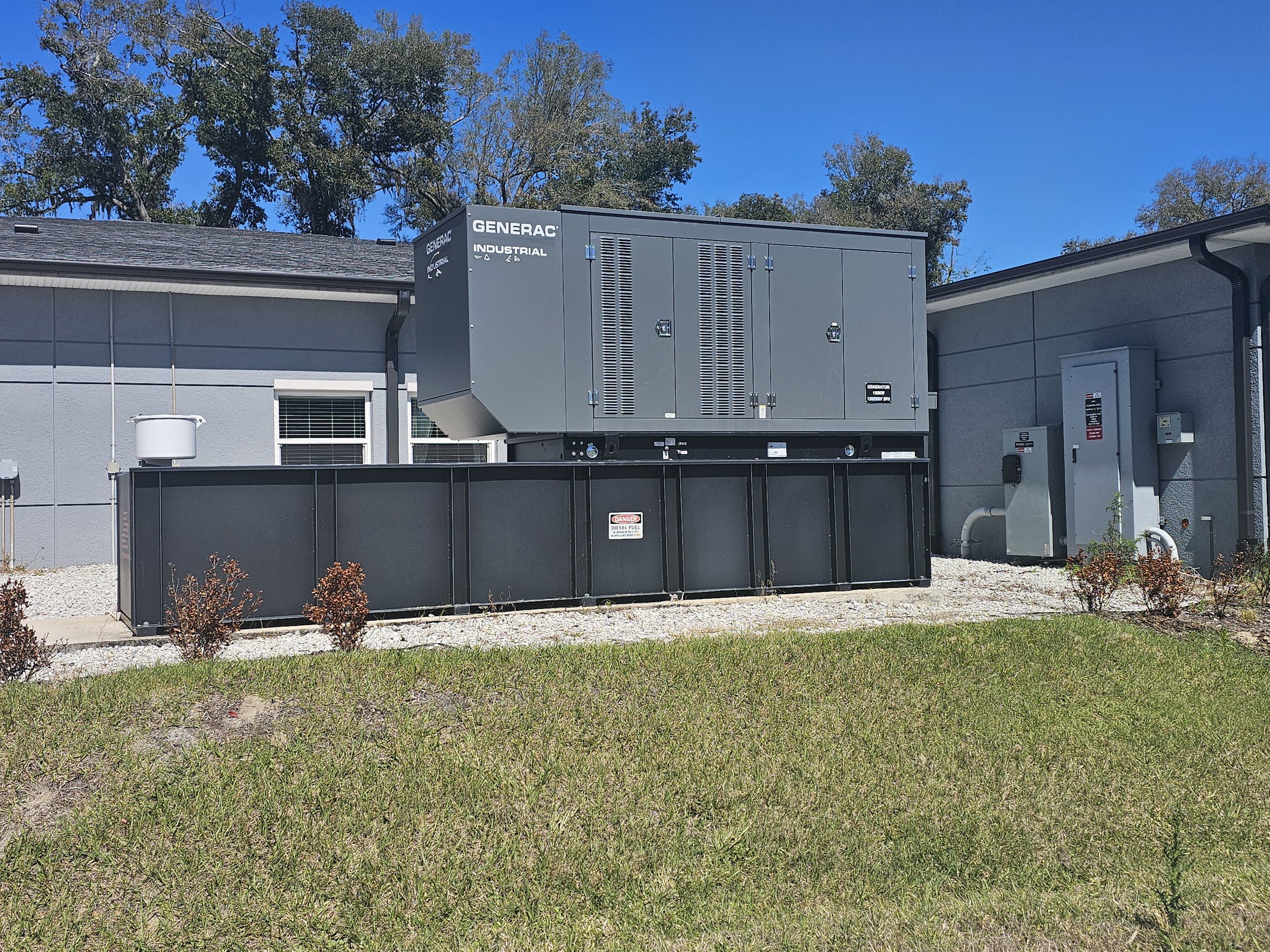
Recent Project
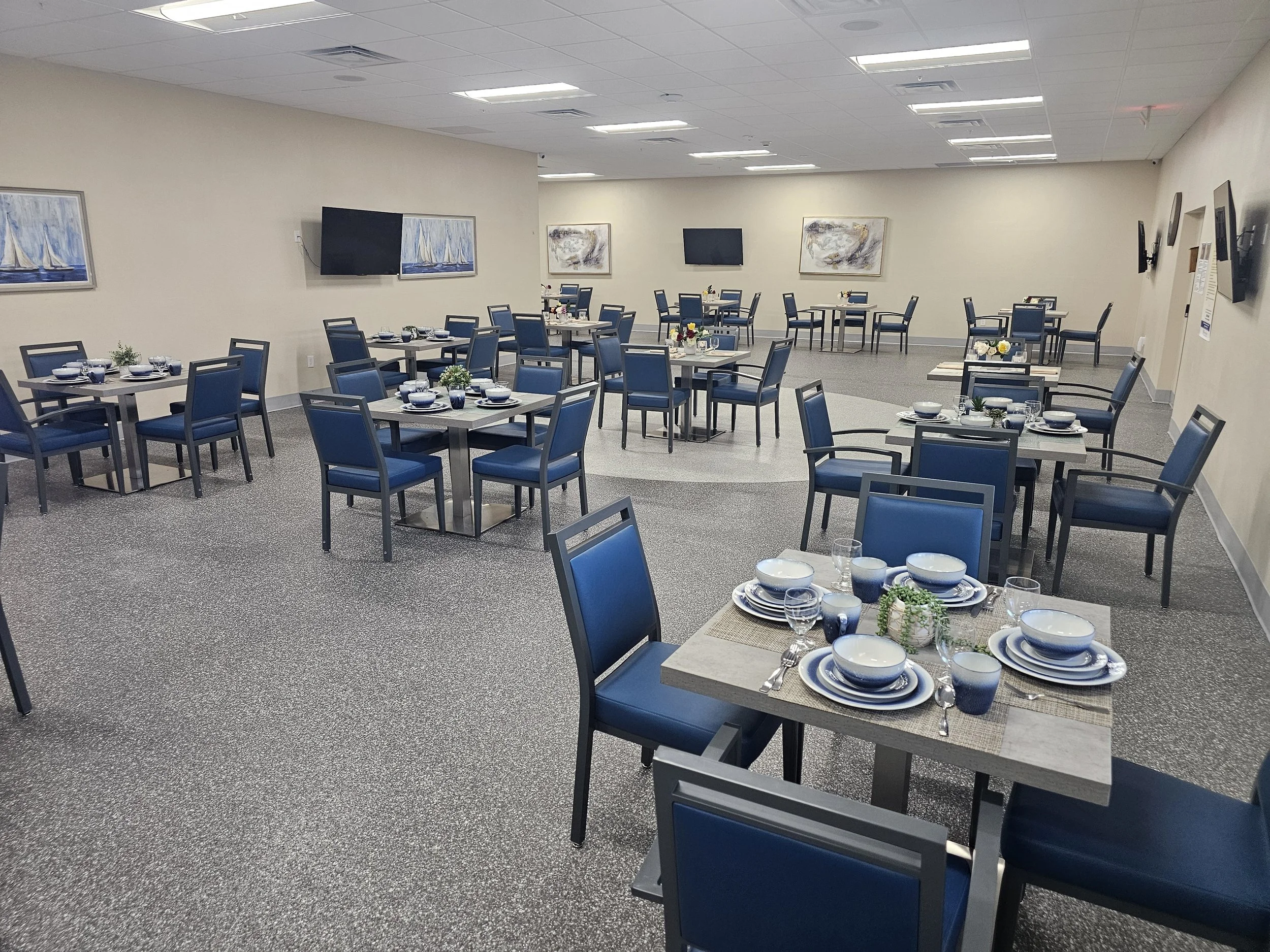
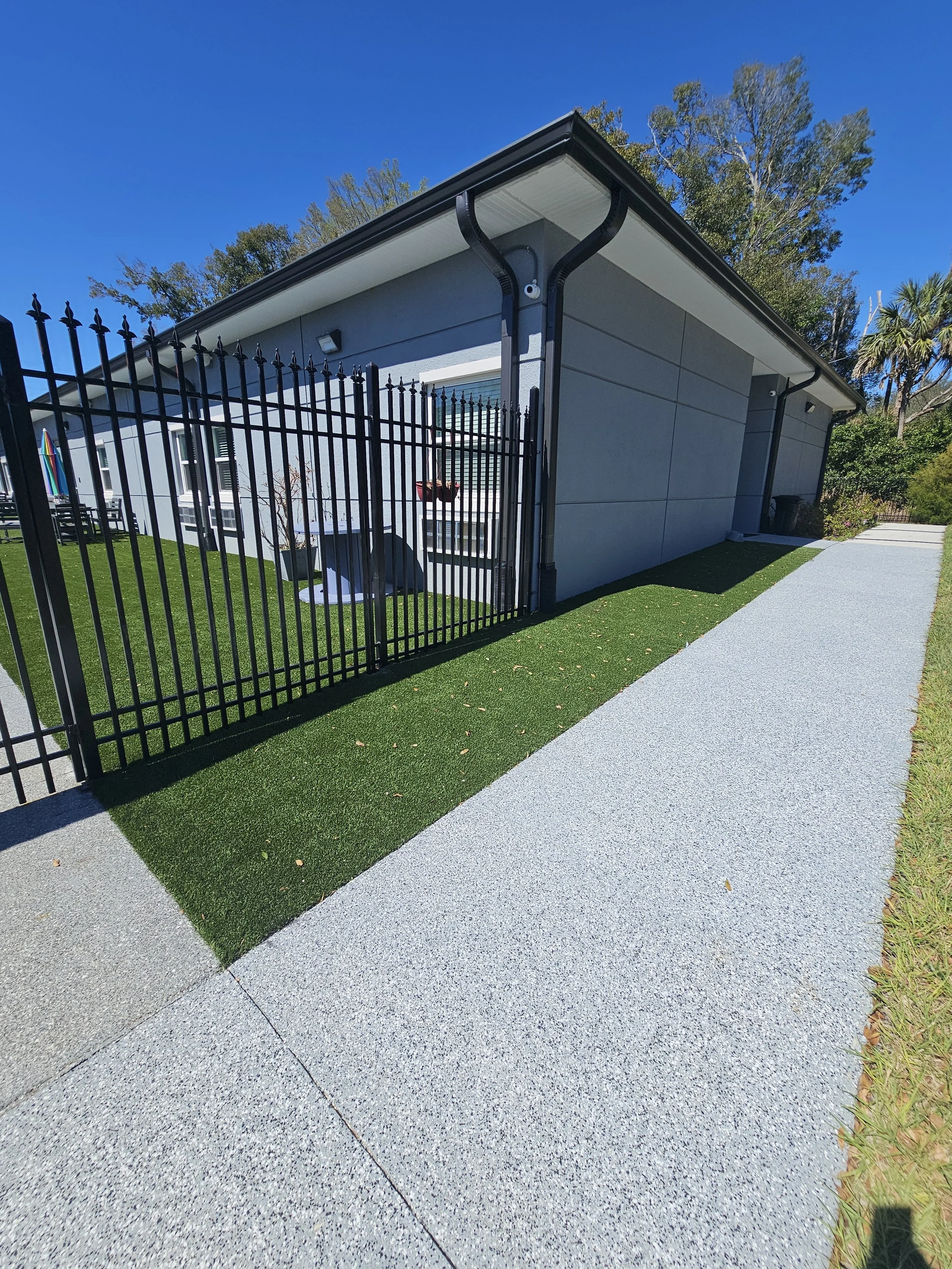
25000 sqft Assisted Living Facility
Apopka Life Care
Construction Management
Past Projects
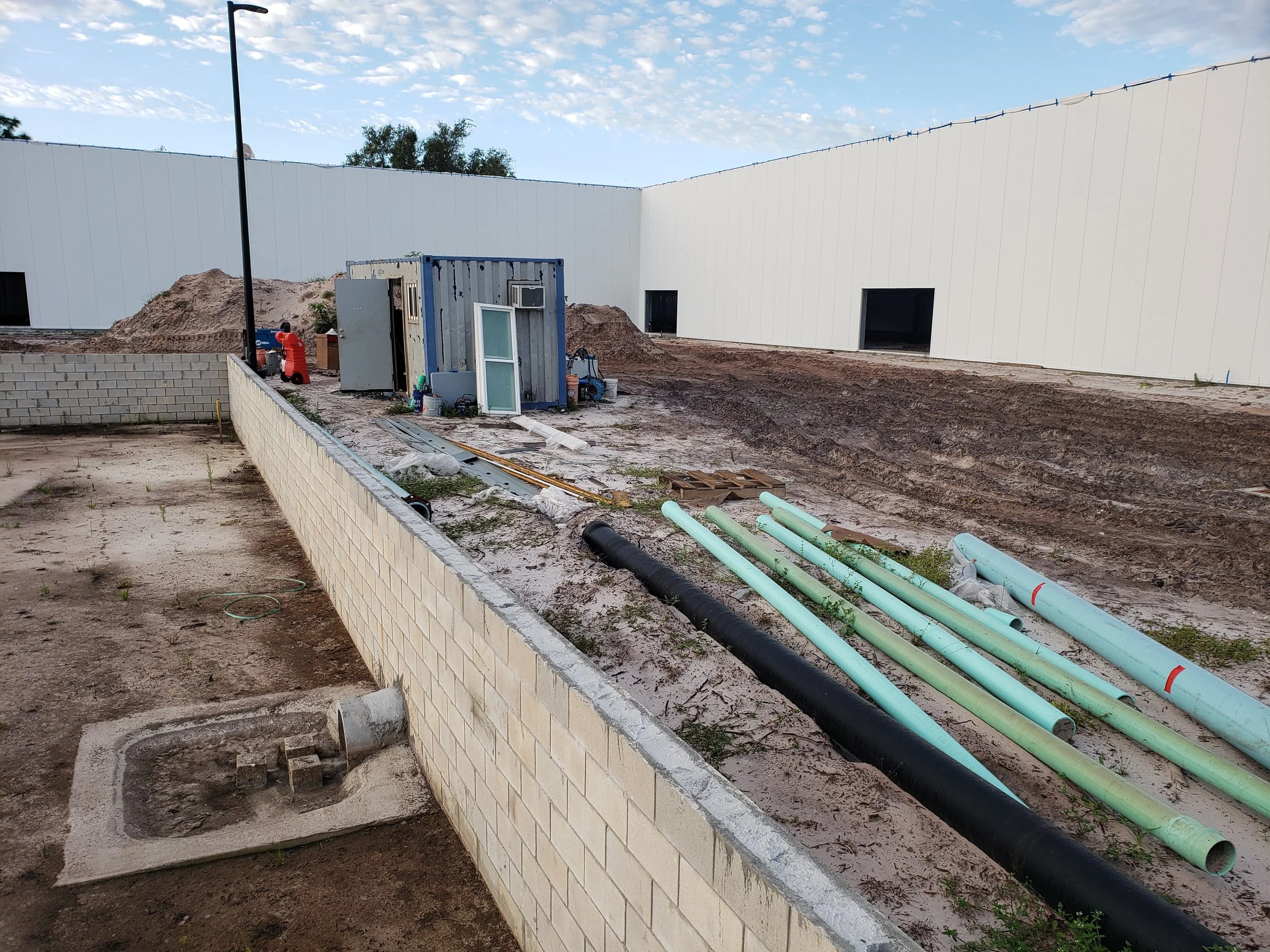
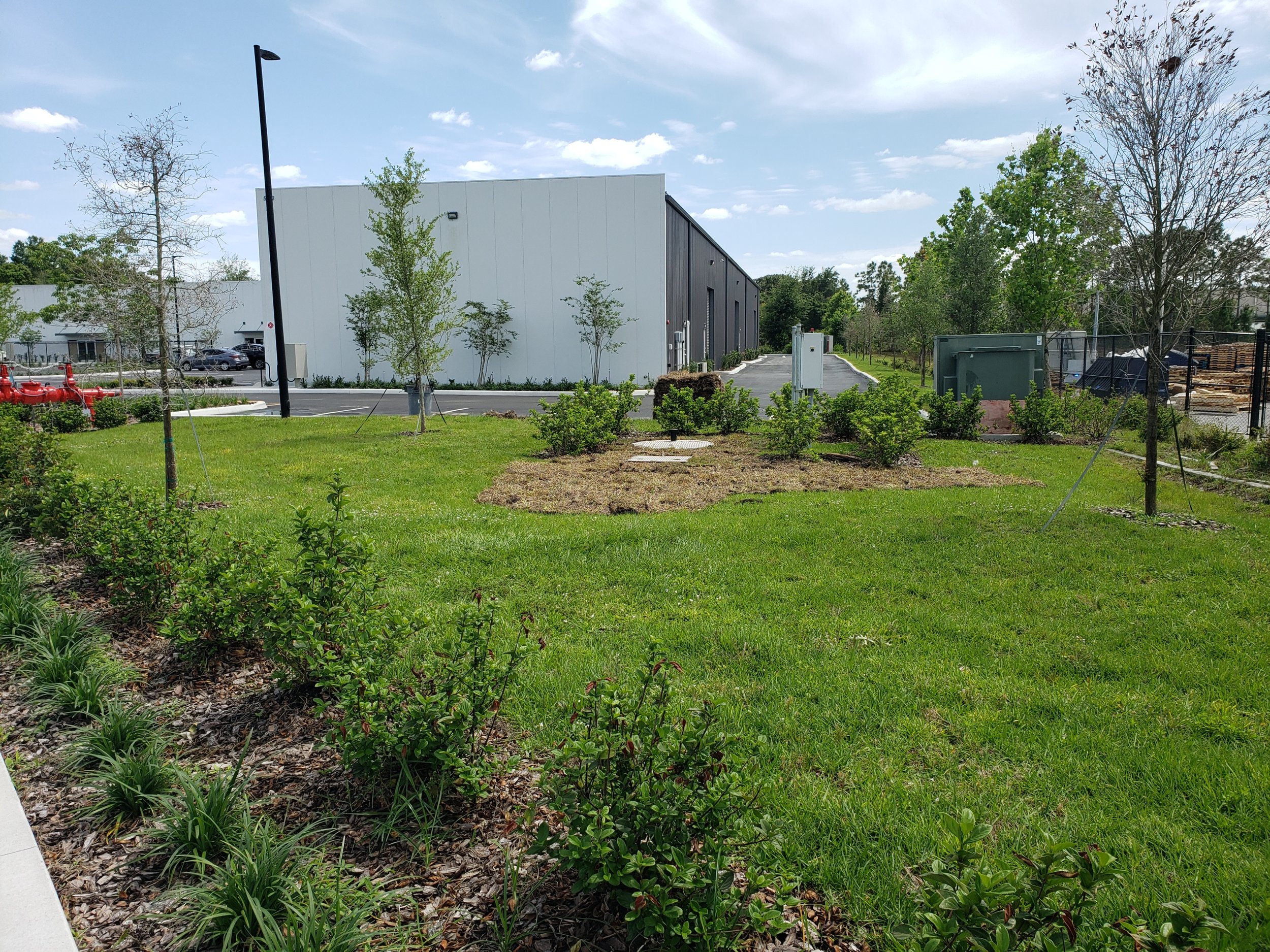
Vista Business Center
Construction Management
2024
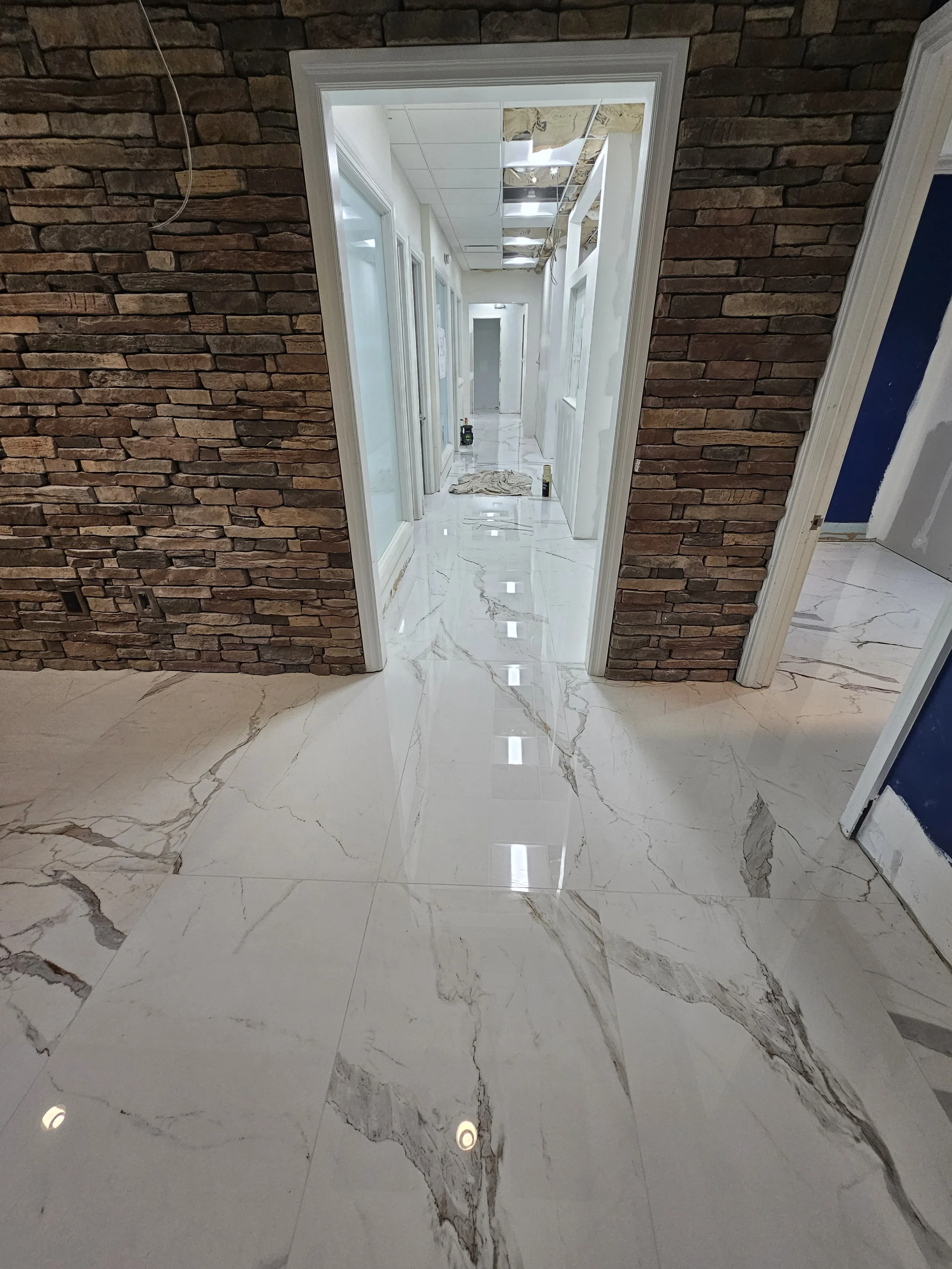
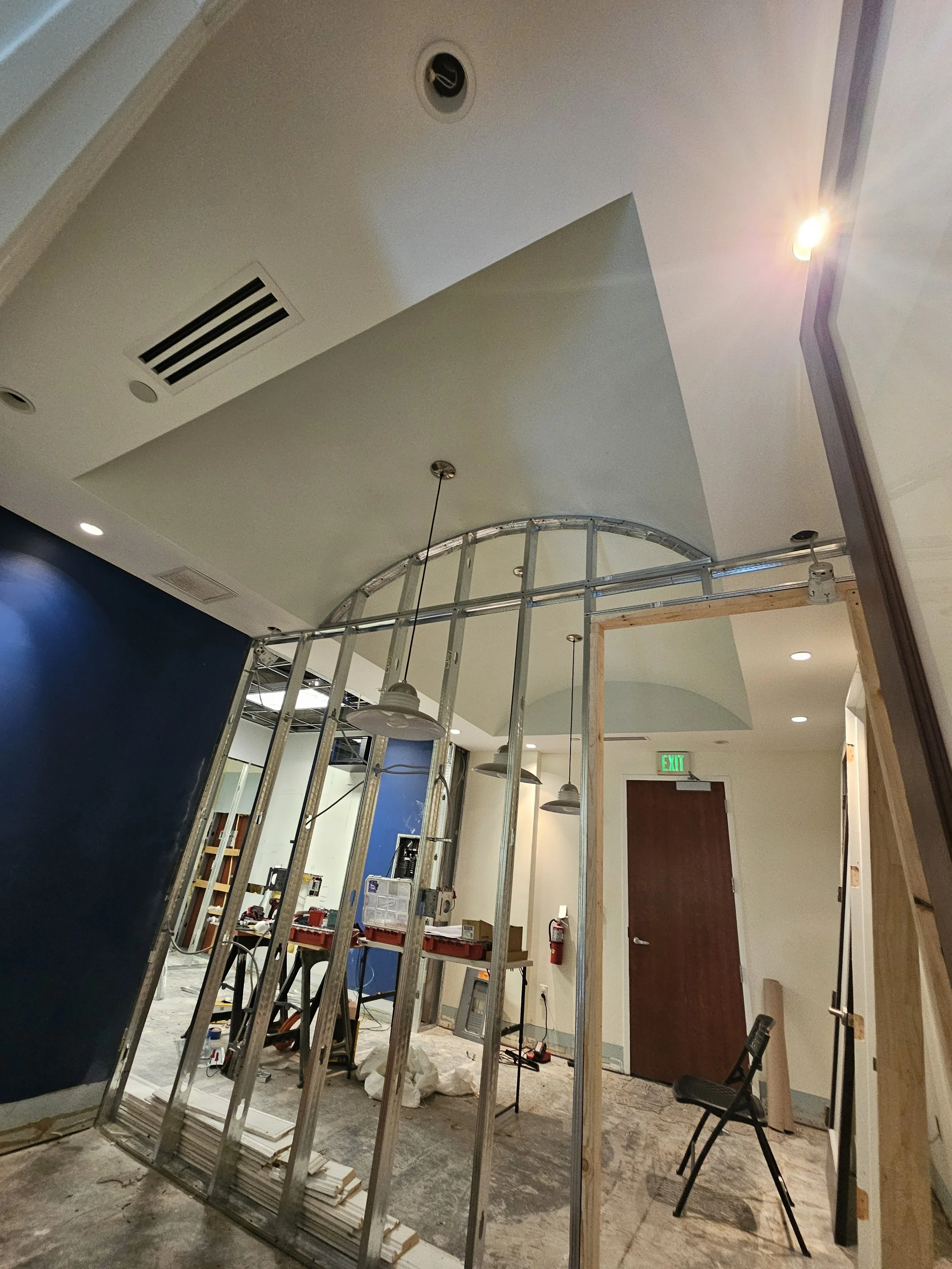
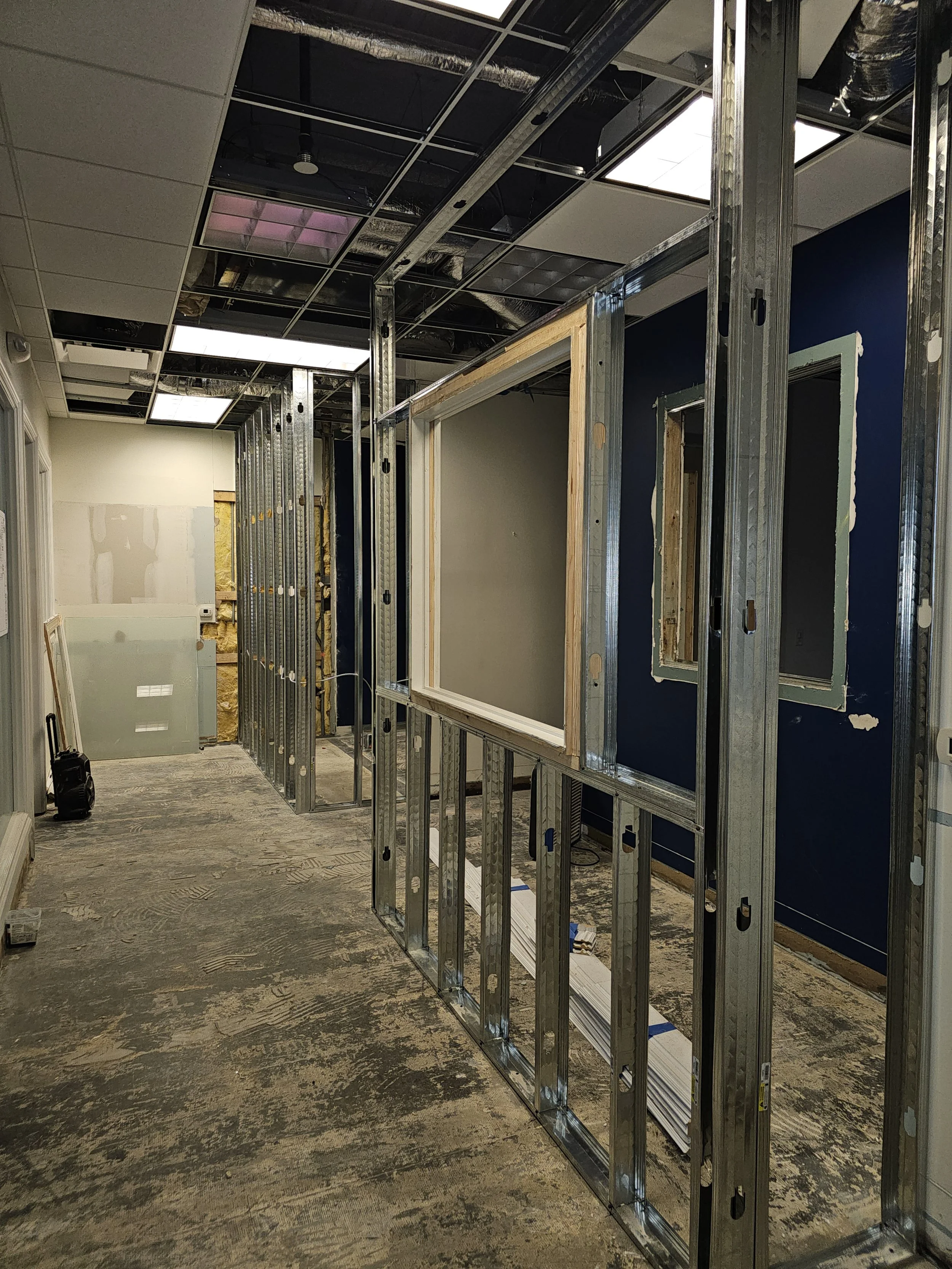
Tenant Improvement

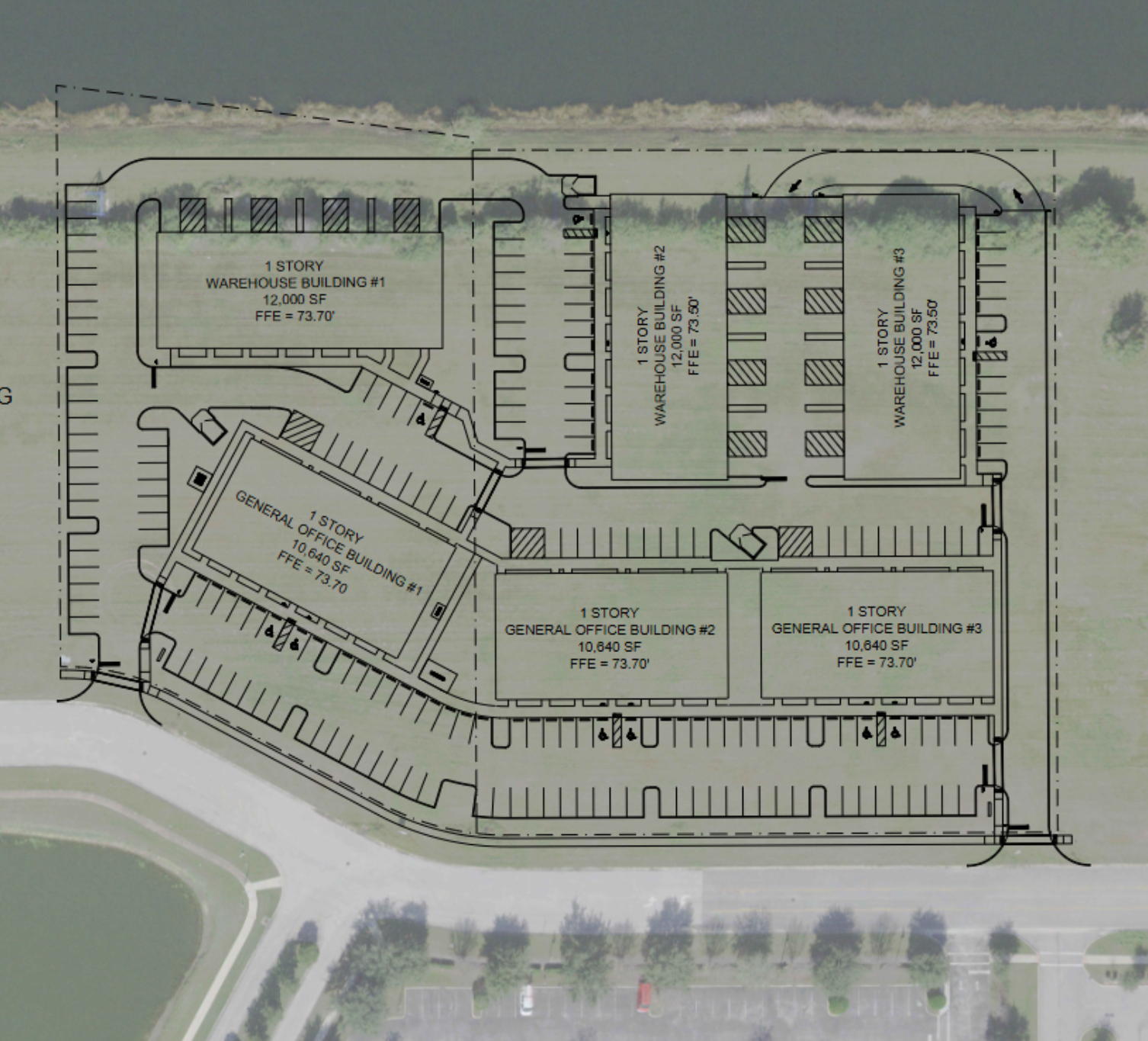
Future Projects
Commerce Parc
Saint Cloud, FL.
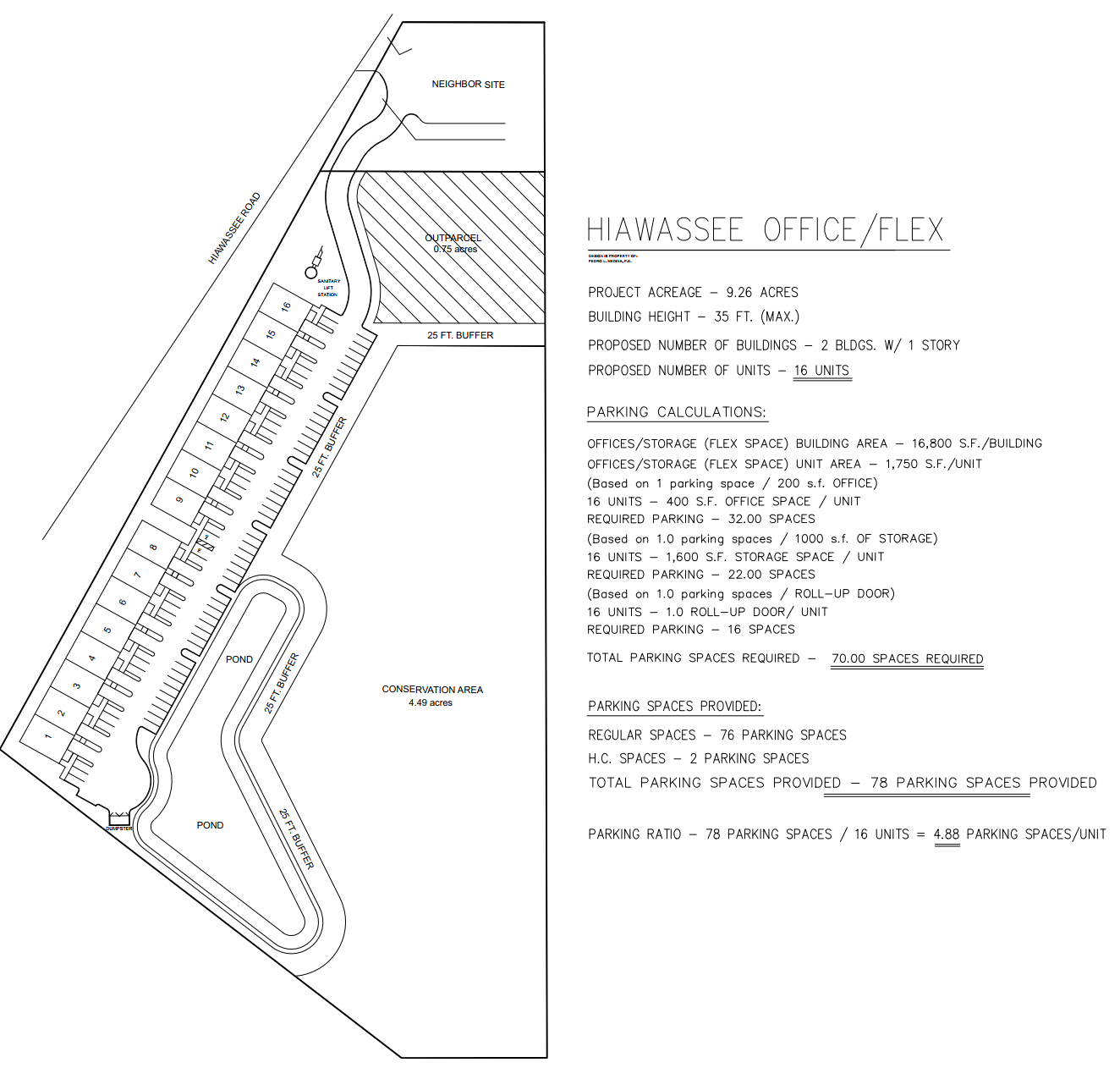
Hiawassee Office / Flex
Apopka, FL.
Contact Us
Interested in working together? Fill out some info and we will be in touch shortly. We can’t wait to hear from you!